UPVC Pipe Fitting: Types, Benefits & Applications for Modern Plumbing Systems
Description
Introduction
UPVC pipe fittings are essential components in modern piping systems, offering a durable, cost-effective, and low-maintenance alternative to traditional metal or PVC fittings. Made from unplasticized polyvinyl chloride (UPVC), these fittings resist corrosion, chemicals, and UV degradation, making them ideal for residential plumbing, agricultural irrigation, and industrial chemical transport.This guide explores types of UPVC fittings, their benefits, common applications, and installation best practices to help you optimize system performance and longevity. Whether you’re a homeowner or a professional plumber, mastering UPVC fittings will save time and reduce repair costs.
What Are UPVC Pipe Fittings?
UPVC pipe fittings are connectors molded from rigid UPVC resin designed to join pipes securely. Unlike standard PVC, UPVC is not softened with plasticizers, ensuring:
Higher chemical resistance (ideal for acids, alkalis, and salts).
Greater structural strength (withstanding high pressure without warping).
UV stability (when coated or painted for outdoor use).
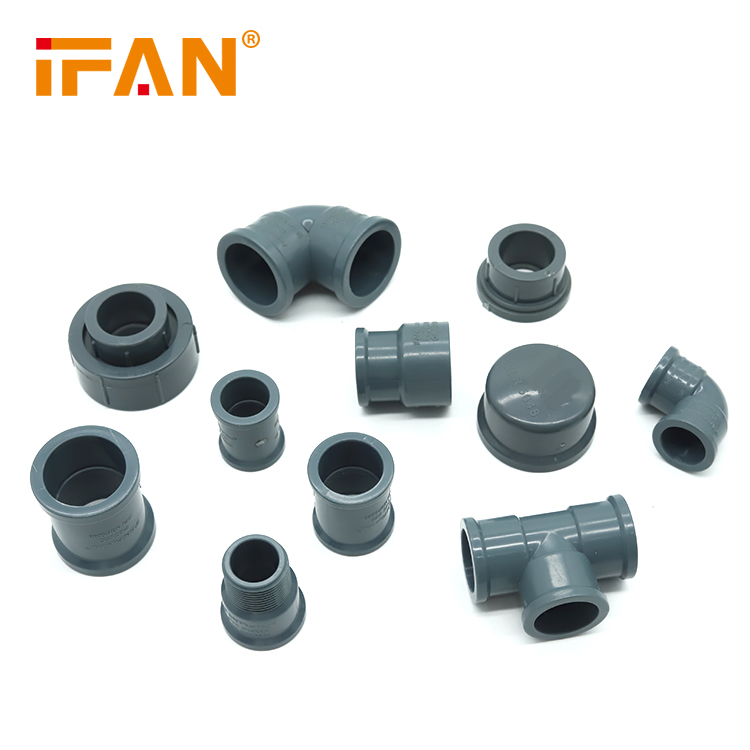
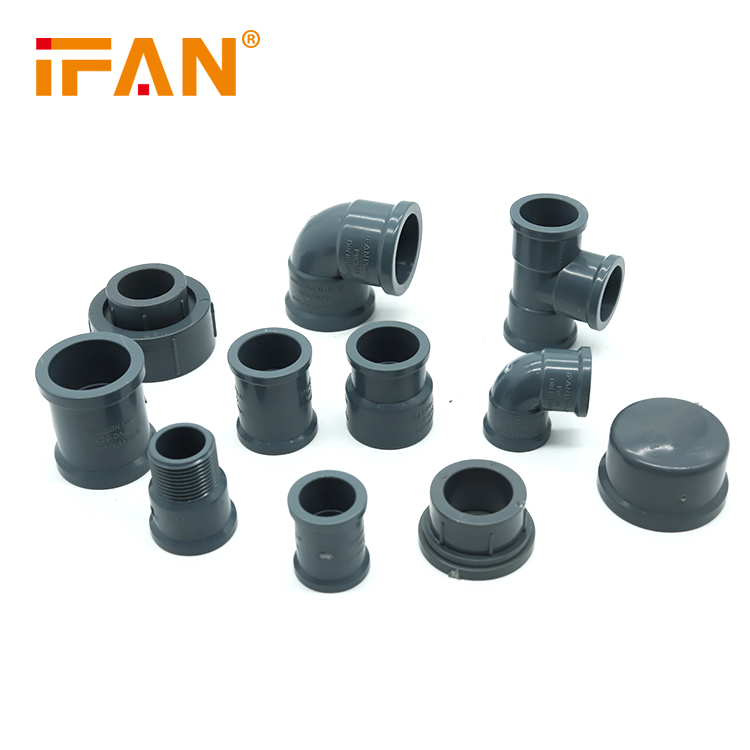
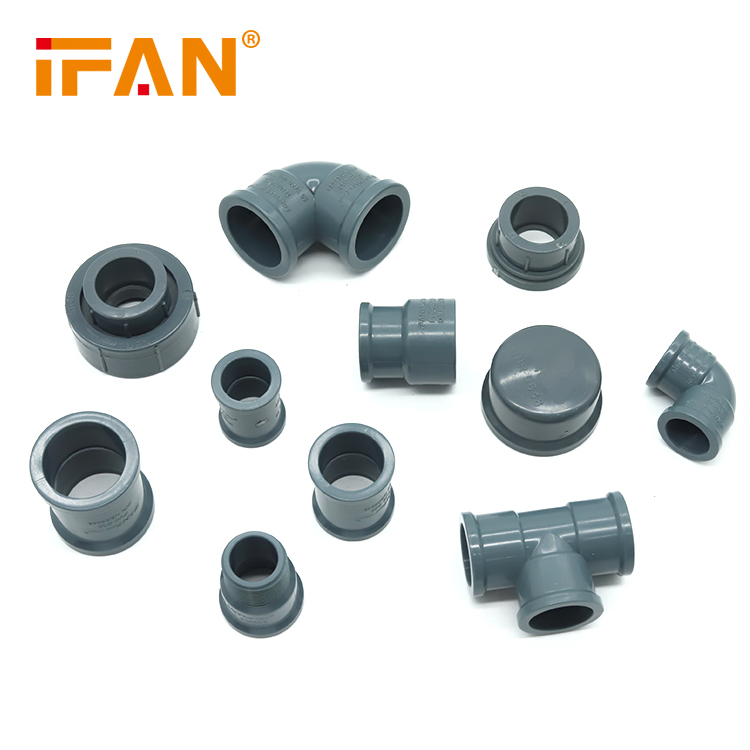
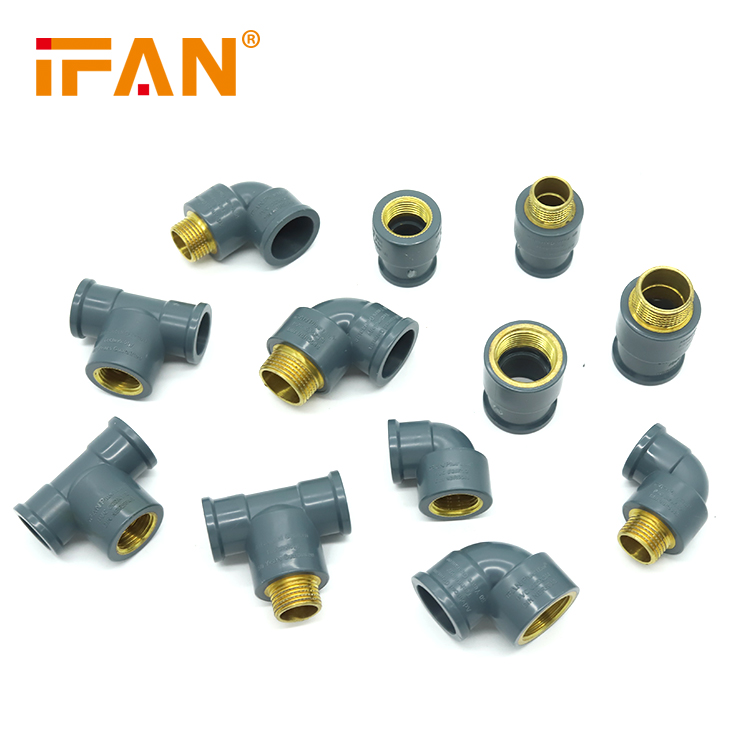
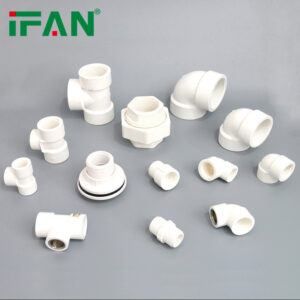
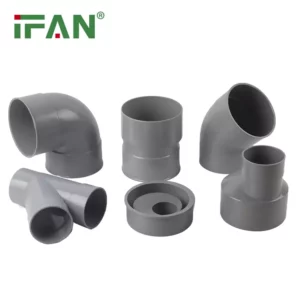
These fittings come in various shapes and sizes, including elbows, tees, couplings, reducers, and caps, to accommodate diverse piping needs.
Types of UPVC Pipe Fittings
Elbows (45° & 90°)
Redirect flow at angles. 90° elbows create sharp turns for tight spaces, while 45° elbows reduce friction in long horizontal runs.
Tees & Crosses
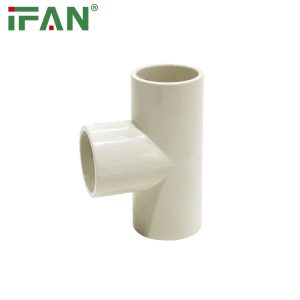
Tees split flow into two directions (e.g., branching a main water line to a sink).
Crosses connect four pipes at 90° angles, used in complex systems like hydroponic setups.
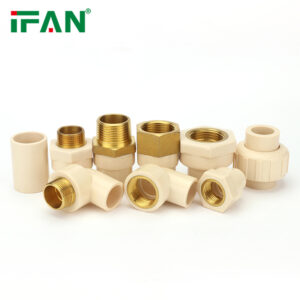
Couplings & Adapters
Couplings join two pipes of the same diameter.
Adapters connect pipes of different sizes or types (e.g., UPVC to metal).
Reducers & Increasers
Transition between pipe diameters (e.g., from 2″ to 1.5″) to control flow volume or pressure.
Caps & Plugs
Caps seal pipe ends temporarily (e.g., during repairs).
Flange adapters connect UPVC pipes to valves or tanks using bolts.
Key Benefits of UPVC Pipe Fittings
Corrosion Resistance
Unlike metal fittings, UPVC does not rust or degrade in humid, salty, or chemical-rich environments, ensuring decades of reliable use.
Cost-Effectiveness
UPVC fittings are 30–50% cheaper than stainless steel or brass alternatives, reducing upfront costs for large projects.
Lightweight & Easy to Install
Weighing less than metal, UPVC fittings are simpler to handle and install, cutting labor time by up to 40%.
Low Maintenance
The smooth interior surface of UPVC resists scaling and biofouling, minimizing clogs and the need for frequent cleaning.
Environmentally Friendly
UPVC is recyclable and produces fewer emissions during manufacturing compared to metal fittings.
Common Applications
Residential Plumbing
Connect sinks, showers, and toilets in waste water systems. UPVC’s chemical resistance prevents degradation from household cleaners.
Agricultural Irrigation
Distribute water efficiently in drip or sprinkler systems. UPVC fittings withstand fertilizers and pesticides without corroding.
Industrial Chemical Transport
Handle corrosive liquids in factories, laboratories, and wastewater treatment plants. UPVC’s inert nature prevents chemical reactions.
Swimming Pools & Spas
Link skimmers, returns, and chlorinators in pool circulation systems. UPVC resists chlorine and UV damage for long-lasting performance.
HVAC & Refrigeration
Channel chilled water or condensate in commercial buildings. The low thermal conductivity of UPVC reduces energy loss.
Installation Best Practices
Cut Pipes Cleanly
Use a fine-toothed saw or PVC cutter to make square, burr-free cuts. Wipe ends with a dry cloth to remove debris.
Dry-Fit Components
Assemble fittings and pipes without adhesive to check alignment. Ensure pipes fit snugly into sockets or threads.
Apply Solvent Cement Correctly
Choose a UPVC-specific solvent cement (not standard PVC cement).
Apply a thin, even coat to both the pipe and fitting using a dauber brush.
Insert the pipe fully into the fitting, twisting slightly to distribute cement.
Hold the joint for 30 seconds to prevent slippage.
Tighten Threaded Fittings
Wrap 2–3 layers of Teflon tape clockwise on male threads.
Hand-tighten, then use a wrench for 1/4 to 1/2 additional turn. Avoid over-tightening, which can crack threads.
Support Long Runs
Use hangers or straps every 4–6 feet to prevent sagging in horizontal lines.
Pressure Test the System
Fill the system with water and check for leaks. If leakage occurs, disassemble and reapply cement or tighten threaded joints.
Maintenance Tips
Inspect Joints Annually: Look for cracks, discoloration, or leaks.
Avoid High Temperatures: Standard UPVC fittings are rated for up to 140°F (60°C). For hot-water systems, use CPVC fittings.
Protect from UV Light: Paint above-ground fittings with UV-resistant coating to prevent brittleness.
Use Correct Tools: Always cut pipes with a sharp blade and tighten fittings with a properly sized wrench.
Conclusion
UPVC pipe fittings are versatile, durable, and eco-friendly solutions for modern plumbing and industrial systems. Their resistance to corrosion, chemicals, and UV light makes them ideal for residential water supply, agricultural irrigation, and chemical processing. By selecting the right type—such as elbows for directional changes or reducers for diameter transitions—and following proper installation techniques, you can ensure leak-proof, long-lasting connections. Whether you’re upgrading a home drainage system or designing a factory’s chemical transport network, UPVC fittings offer reliability, affordability, and simplicity.IFAN factory started in 1993. And IFAN has workshop 120000 square meter with 610 staff. IFAN can design and produce all plumbing pipe and fitting include PPR,PVC,CPVC PPSU HDPE PEXA PEXB PERT pipe and fitting ,brass fitting, brass ball valve ,heating system , gas system , sanitary faucets and hose, In the past 30 Years, IFAN has never forgotten his mission-To protect health and safety. And IFAN factory use best materials to produce high quality pipe and fittings with automatic production line and high tech quality control machines. The most important,IFAN can guarantee that all pipes and fittings manufactured by IFAN are qualified. More information pls feel free contact us Whatsapp.