

Introduction
UPVC pipe fittings are integral components in modern plumbing and irrigation systems. Their durability, cost-effectiveness, and versatility make them a preferred choice for residential, commercial, and industrial applications. This article explores the applications, advantages, types, and installation considerations of UPVC pipe fittings, offering insights into why they are a reliable solution for fluid management.
Understanding UPVC Pipe Fittings: Definition and Purpose
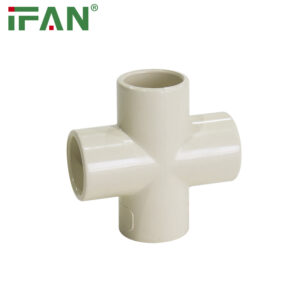
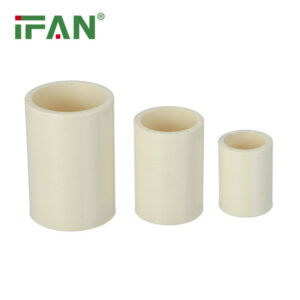
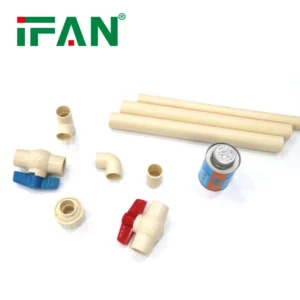
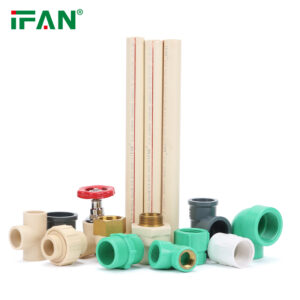
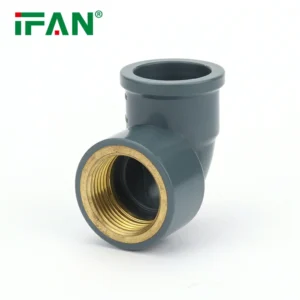
UPVC pipe fittings are specialized connectors designed to join, redirect, or terminate UPVC pipes. These fittings come in various shapes—elbows, tees, couplings, reducers, and flanges—each serving a specific function. For instance, 90-degree elbows change pipe direction, while tees split flow into multiple branches. Their primary role is ensuring seamless fluid transfer while maintaining system integrity.
Why Choose UPVC?
Unlike metal fittings, UPVC fittings resist corrosion, scaling, and chemical degradation. This makes them ideal for transporting potable water, wastewater, and aggressive chemicals. Their lightweight nature also simplifies handling and installation, reducing labor costs.
Applications of UPVC Pipe Fittings Across Industries
UPVC pipe fittings find applications in diverse sectors:
- Residential Plumbing: For water supply, drainage, and sewage systems.
- Agriculture: In irrigation networks to transport water efficiently.
- Industrial Use: In chemical processing plants and cooling towers.
- Municipal Projects: For stormwater drainage and sewage management.
Case Study: A large-scale irrigation project in a drought-prone region reported a 30% reduction in maintenance costs after switching to UPVC fittings due to their resistance to UV radiation and soil erosion.
Key Advantages of UPVC Pipe Fittings
a. Durability and Longevity
UPVC fittings can withstand extreme temperatures (-10°C to 60°C) and pressures up to 16 bar, ensuring long-term performance. Their lifespan exceeds 50 years in optimal conditions, outlasting many traditional materials.
b. Cost-Effectiveness
Lower material and installation costs make UPVC fittings a budget-friendly option. Their smooth internal surface reduces friction, minimizing energy consumption in pumping systems.
c. Environmental Benefits
UPVC is 100% recyclable, and its production requires less energy compared to metals. This reduces carbon footprint and aligns with sustainable construction practices.
Types of UPVC Pipe Fittings
a. Socket Fusion Fittings
Used for joining pipes of the same diameter via heat fusion, creating a leak-proof bond.
b. Compression Fittings
Ideal for quick repairs or temporary installations, featuring a rubber seal and threaded connection.
c. Flange Fittings
Employed in high-pressure systems, these fittings use bolts to secure pipe connections.
d. Solvent Weld Fittings
Most common for permanent installations, these fittings bond pipes using chemical solvents.
Installation Tips for UPVC Pipe Fittings
a. Pre-Installation Preparation
- Ensure pipes and fittings are compatible (e.g., schedule 40 vs. schedule 80).
- Clean surfaces thoroughly to remove dirt or grease.
b. Proper Alignment and Cutting
Use a pipe cutter for clean, square edges. Misaligned joints can lead to leaks or reduced flow efficiency.
c. Solvent Welding Technique
Apply primer and solvent cement evenly, then insert the pipe into the fitting within the recommended time frame (usually 10-15 seconds).
d. Support and Restraint
Install supports every 4-6 feet to prevent sagging, especially in long runs.
Maintenance and Troubleshooting
Regular inspections are crucial to identify cracks, leaks, or loose connections. Common issues include:
- UV Degradation: Use UV-resistant coatings for outdoor installations.
- Chemical Attack: Avoid using UPVC in environments with strong acids or bases.
- Thermal Expansion: Account for expansion and contraction by including expansion joints.
Pro Tip: Replace damaged fittings promptly to prevent system failure.
Future Trends in UPVC Pipe Fitting Technology
Innovations focus on:
- Smart Fittings: Integrated sensors for real-time monitoring of pressure and flow.
- Eco-Friendly Additives: Enhancing UPVC’s recyclability and reducing environmental impact.
- 3D Printing: Customizing fittings for niche applications, reducing waste.
Conclusion
UPVC pipe fittings represent a reliable, cost-effective, and sustainable solution for modern fluid management systems. Their versatility, durability, and ease of installation make them a preferred choice across industries. By understanding their applications, advantages, and best practices, professionals can maximize their benefits while ensuring long-term system performance.
IFAN factory started in 1993. And IFAN has workshop 120000 square meter with 610 staff. IFAN can design and produce all plumbing pipe and fitting include PPR,PVC,CPVC PPSU HDPE PEXA PEXB PERT pipe and fitting ,brass fitting, brass ball valve ,heating system , gas system , sanitary faucets and hose, In the past 30 Years, IFAN has never forgotten his mission-To protect health and safety. And IFAN factory use best materials to produce high quality pipe and fittings with automatic production line and high tech quality control machines. The most important,IFAN can guarantee that all pipes and fittings manufactured by IFAN are qualified. More information pls feel free contact us Whatsapp.
Related products
 CPVC ASTM2846
CPVC Cross Tee Fitting
- CPVC ASTM2846
CPVC Socket Fittings
- PVC
IFAN PVC Glue