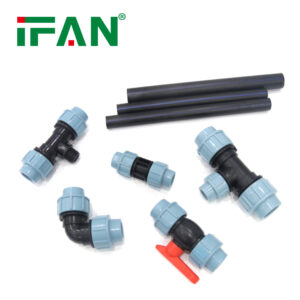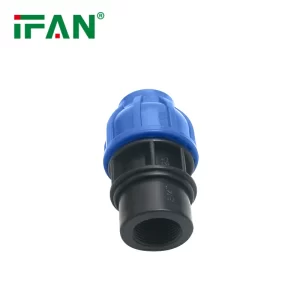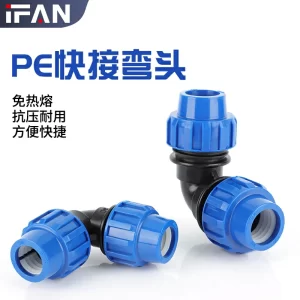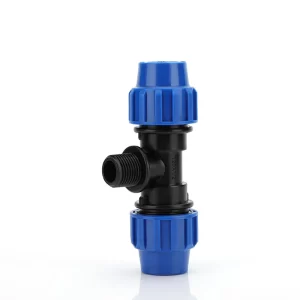


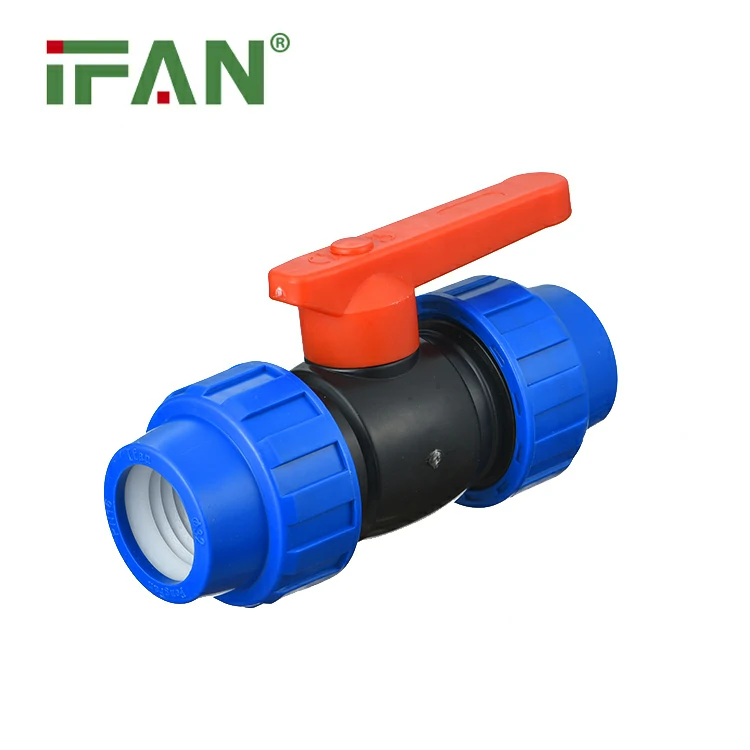
HDPE Ball Valve: Essential Component for High-Performance Piping Systems
Introduction
In modern piping infrastructure, selecting components that combine durability, efficiency, and chemical resistance is critical. The HDPE ball valve meets these needs by offering a dependable shut-off solution for both residential and industrial systems. Manufactured from high-density polyethylene, this valve type supports long-term service even in corrosive environments.
This article explores the structure, benefits, applications, and installation guidance for HDPE ball valves, helping you understand why they’re the preferred choice in many demanding industries.
What Is an HDPE Ball Valve?
An HDPE ball valve is a plastic valve made from high-density polyethylene that controls fluid flow through a spherical closure (the “ball”) with a central bore. When the handle rotates the ball to align with the pipeline, the valve opens. When turned perpendicular, the valve closes, blocking the flow entirely.
These valves typically connect to HDPE pipelines using butt fusion, electrofusion, or mechanical fittings, creating a secure, leak-proof joint.
Key Benefits of HDPE Ball Valves
1. Exceptional Chemical Resistance
HDPE material resists acids, alkalis, and various industrial chemicals. This makes HDPE ball valves ideal for use in chemical plants, water treatment facilities, and laboratories.
2. Corrosion-Free Performance
Unlike metal valves, HDPE models do not rust. Their resistance to corrosion ensures a longer lifespan and reduced maintenance costs, especially in underground or humid installations.
3. Low Weight and Easy Handling
These valves are lightweight and easy to transport and install. Their compact design allows for easier integration into tight spaces without sacrificing strength.
4. High Flow Efficiency
The full-bore design enables unrestricted flow. This helps reduce pressure drops and maintain consistent flow rates throughout the system, improving overall efficiency.
5. Weather and UV Resistant
HDPE ball valves are UV stabilized, allowing outdoor installation without fear of material degradation. They perform reliably in diverse climates, from freezing zones to high-heat regions.
Where Are HDPE Ball Valves Used?
Thanks to their versatility, HDPE ball valves serve a wide range of applications:
Municipal and rural water supply systems
Sewage and wastewater treatment
Chemical handling and storage systems
Irrigation and agriculture
Mining operations
Compressed air lines
In any setting where chemical exposure, moisture, or abrasion may affect valve integrity, HDPE provides a durable and long-lasting alternative.
Types of HDPE Ball Valves
You’ll find HDPE ball valves available in various styles:
Manual Ball Valves – Basic on/off control using a lever handle
Electrofusion Ball Valves – Integrated fittings for electrofusion joints
Butt Fusion Ball Valves – Compatible with butt fusion welding systems
Flanged Ball Valves – For use with flanged piping networks
Actuated Valves – Equipped with electric or pneumatic actuators for automation
Choosing the correct type depends on the pressure rating, pipe size, and required installation method.
How to Install an HDPE Ball Valve
Clean and prepare pipe ends to ensure a proper seal.
Position the valve correctly in the open position.
Join the valve using the designated method (butt fusion, electrofusion, or compression).
Allow cooling or curing time, as recommended by the manufacturer.
Test for leaks under system pressure once installation is complete.
Using manufacturer-approved welding parameters ensures strong joints that won’t fail under stress.
Maintenance Considerations
HDPE ball valves are largely maintenance-free. However, occasional inspection helps identify early wear, especially in high-flow or high-pressure applications. Always verify the operation of the valve handle and check for seal degradation in chemically aggressive environments.
Conclusion
An HDPE ball valve is more than just a flow control component—it’s a long-term investment in system reliability. With resistance to chemicals, corrosion, and UV exposure, these valves serve diverse applications with minimal upkeep. Lightweight, efficient, and built to last, HDPE ball valves help ensure the integrity of both simple and complex piping networks.
Related products
 PP Fitting 602
HDPE Butt Fusion Fittings ASTM D3350