
General Corrosion Resistance of Brass
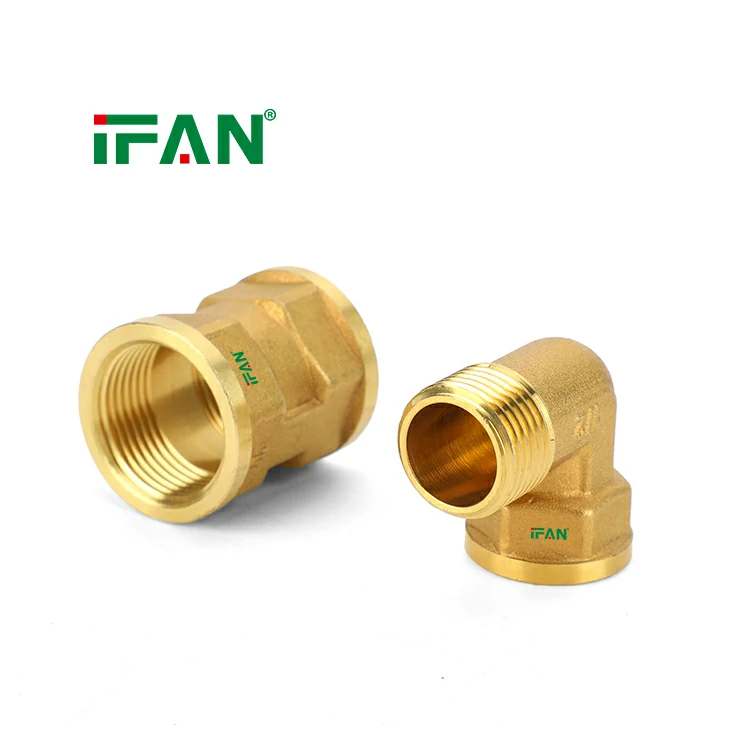
Brass pipe fittings are known for their good corrosion resistance. The material naturally resists rust and oxidation. It performs well with water, heat, and many chemicals. Brass pipe fittings are compatible with stainless steel, copper, and zinc piping . This makes them a versatile choice for many plumbing systems.
The Composition of Brass Alloys
Brass is primarily an alloy of copper and zinc. This composition determines its corrosion resistance. Different ratios of copper to zinc affect performance. Brass with higher copper content resists corrosion better. Brass with higher zinc content is more vulnerable to specific attacks .
The Dezincification Phenomenon
Dezincification is a specific type of corrosion unique to brass. The zinc in the alloy reacts with dissolved chemicals in water. The zinc is gradually pulled out of the brass. This leaves behind a weak, spongy copper material. This material cannot withstand normal water pressure .
Zinc Content Threshold for Risk
The risk of dezincification depends on zinc concentration. Brass with zinc content of 15% or higher is susceptible. The danger is much greater when zinc content reaches 35% or more . Many standard brass pipe fittings contain approximately 34% zinc. This places them in the vulnerable category.
Plug Type vs. Layer Type Dezincification
There are two main forms of dezincification. Plug type creates localized deep spongy areas. It penetrates quickly through the fitting wall. This occurs with alkaline water, high salt content, and elevated temperatures . Layer type spreads a thin porous layer across the surface. This happens with slightly acidic water and high chloride levels .
Environmental Factors Accelerating Corrosion
Several conditions accelerate dezincification in brass pipe fittings. High water temperature is a major factor. Chlorine and chloramine in water greatly facilitate the process . Poor aeration and low water flow rates also contribute. Permeable deposits or coatings on the fitting surface worsen the attack .
Case Study: Residential Hot Water Failure
A forensic analysis revealed severe dezincification in a home’s hot water system. The fittings showed complete zinc leaching through the entire wall thickness. Contributing factors included hot water temperature, water pH, chloride content, and stagnant flow conditions. The brass material (C36000) was vulnerable to this corrosion type .
The Solution: DZR Brass Fittings
Dezincification-resistant (DZR) brass solves this problem. DZR alloys contain additives that prevent zinc leaching. The Rimkus investigation recommended replacing all failed fittings with DZR brass . This is the standard for hot water and aggressive water applications.
Saltwater and Marine Environments
Brass pipe fittings can perform well in saltwater environments. Laboratory testing of all-brass fittings showed no rust after 1,200 hours of sea salt spray . However, prolonged exposure to aggressive soil conditions can still cause corrosion. Buried brass fittings require protective wrapping to prevent crevice corrosion .
Protective Surface Treatments
Plating and coatings enhance corrosion resistance significantly. Nickel plating provides extra protection in corrosive environments . Chrome plating offers a mirror-like finish with better corrosion resistance than nickel. Black zinc plating stands up well to salt spray applications .
Outdoor and Chemical Resistance
Brass pipe fittings resist weather, UV radiation, and chlorinated water. They outperform steel and plastic fittings in outdoor applications . Brass also resists fertilizers and mild cleaning chemicals. For coastal areas, nickel or chrome plating is recommended for saltwater exposure .
Summary of Best Practices
Brass pipe fittings offer good corrosion resistance for most applications. Use DZR brass for hot water systems always. Test your water chemistry for aggressive water conditions. Apply protective coatings or wrapping for outdoor or underground use. Standard brass works well for cold water and indoor applications. With proper selection, brass fittings provide decades of reliable service.
Brass pipe fittings are generally corrosion-resistant but require careful material selection. Standard brass alloys are vulnerable to dezincification in hot or aggressive water. DZR brass solves this problem and is recommended for demanding applications. Protective platings and wrappings extend service life in harsh environments. Understanding these factors ensures long-lasting performance.
IFAN factory started in 1993. And IFAN has workshop 120000 square meter with 610 staff. IFAN can design and produce all plumbing pipe and fitting include PPR,PVC,CPVC PPSU HDPE PEXA PEXB PERT pipe and fitting ,brass fitting, brass ball valve ,heating system , gas system , sanitary faucets and hose, In the past 30 Years, IFAN has never forgotten his mission-To protect health and safety. And IFAN factory use best materials to produce high quality pipe and fittings with automatic production line and high tech quality control machines. The most important,IFAN can guarantee that all pipes and fittings manufactured by IFAN are qualified. More information pls feel free contact us Whatsapp.