
1. Definition and Overview
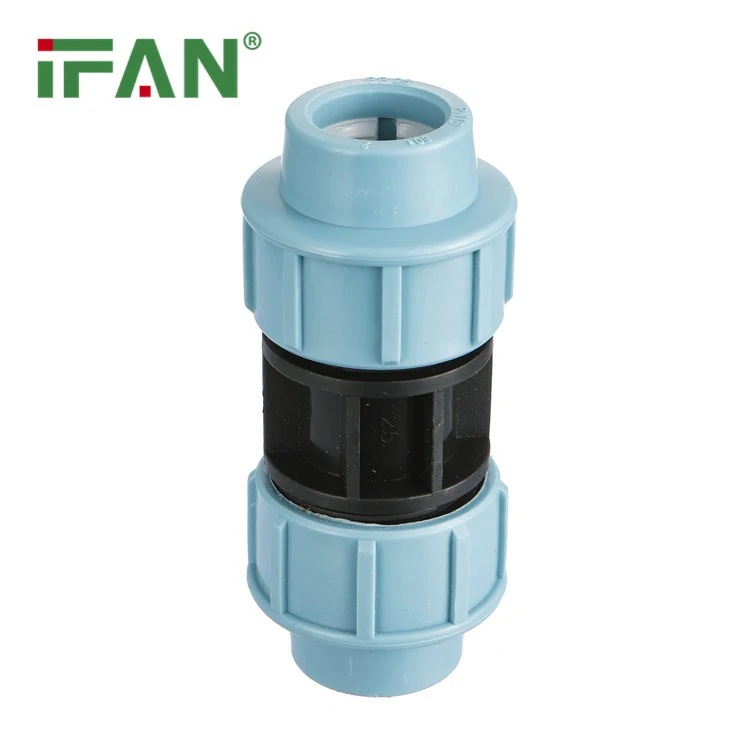
A PP socket (Polypropylene Socket) is an electrical fitting or connector made from polypropylene (PP), a thermoplastic polymer known for its durability, chemical resistance, and lightweight properties. These sockets are designed for use in electrical installations, industrial systems, and consumer electronics, providing secure connections while withstanding harsh environments.
2. Key Properties of Polypropylene (PP)
- Chemical Resistance: Resistant to acids, bases, solvents, and salts, making it ideal for industrial and laboratory settings.
- Thermal Stability: Withstands temperatures ranging from -20°C to 120°C, suitable for both indoor and outdoor applications.
- Electrical Insulation: Excellent dielectric strength prevents current leakage, ensuring safety in electrical systems.
- Impact Resistance: Durable against physical stress, reducing breakage risks.
- Lightweight: Weighs 30% less than metal alternatives, easing installation and transportation.
3. Types of PP Sockets
| Type | Description | Applications |
|---|---|---|
| Standard Wall Sockets | Single or multi-gang outlets for residential/commercial power distribution. | Homes, offices, retail spaces. |
| Industrial Sockets | Heavy-duty, weatherproof connectors with IP65+ ratings for outdoor use. | Factories, construction sites, renewable energy systems. |
| Automotive Sockets | PP-encased connectors for vehicle wiring harnesses. | Cars, trucks, EV charging stations. |
| Specialty Sockets | Custom-designed for high-voltage, explosion-proof, or medical-grade use. | Power plants, oil refineries, hospitals. |
4. Applications Across Industries
- Residential Electrical Systems:
- Used in wall outlets, extension cords, and power strips for safe, reliable current flow.
- Industrial Automation:
- Connects motors, sensors, and control panels in manufacturing plants.
- Renewable Energy:
- Integral to solar panel connectors and wind turbine wiring systems.
- Automotive Sector:
- PP sockets in vehicle dashboards and charging ports resist vibration and moisture.
- Telecommunications:
- Encases fiber optic cable connectors, protecting them from environmental damage.
5. Advantages Over Traditional Materials
| Feature | PP Socket | Metal Socket (e.g., Brass/Steel) | PVC Socket |
|---|---|---|---|
| Corrosion Resistance | High (no rusting) | Low (prone to oxidation) | Moderate (degrades in UV/chemicals) |
| Weight | Lightweight | Heavy | Light but brittle |
| Cost | Low (30% cheaper than metal) | High (material + machining costs) | Moderate |
| Durability | High (impact-resistant) | Dents easily | Cracks under stress |
6. Manufacturing Process
- Material Selection: High-purity PP resin is chosen for electrical applications.
- Injection Molding:
- PP pellets are melted and injected into molds to form socket housings.
- Precision molds ensure consistent dimensions and tight tolerances.
- Assembly:
- Metal contacts (copper/brass) are inserted for conductivity.
- Seals and gaskets (silicone/rubber) are added for waterproofing.
- Quality Control:
- Dielectric strength tests (≥2kV/mm) verify insulation.
- Salt spray tests assess corrosion resistance.
7. Installation and Safety Guidelines
- Residential Use:
- Follow local electrical codes (e.g., NEC, IEC).
- Use GFCI (Ground Fault Circuit Interrupter) sockets in wet areas.
- Industrial Use:
- Ensure IP65/IP67 ratings for outdoor or dusty environments.
- Lockout/tagout procedures during maintenance.
- Safety Tips:
- Avoid overloading sockets (max 16A for standard PP outlets).
- Inspect for cracks or discoloration before use.
8. Innovations and Future Trends
- Smart Sockets:
- Integration with Wi-Fi/Bluetooth for energy monitoring and remote control.
- Eco-Friendly Designs:
- Biodegradable PP additives reduce plastic waste.
- High-Temperature Variants:
- PP-glass fiber composites withstand up to 150°C for EV charging.
- Modular Systems:
- Snap-fit PP sockets allow quick replacement in industrial panels.
9. Case Studies
- Residential Safety Upgrade:
- A housing complex replaced metal sockets with PP variants, reducing corrosion-related failures by 80%.
- Industrial Efficiency:
- A factory adopted IP67 PP sockets for outdoor machinery, cutting maintenance costs by 40%.
- Sustainable Manufacturing:
- A solar panel producer used recycled PP sockets, lowering carbon footprint by 25%.
10. Conclusion
PP sockets combine affordability, durability, and safety, making them a preferred choice for electrical fittings across industries. Innovations in smart technology, sustainability, and high-performance materials are driving their adoption in modern infrastructure. By adhering to installation standards and leveraging advancements like modular designs, PP sockets continue to evolve as a critical component in global electrical systems.
IFAN factory started in 1993. And IFAN has workshop 120000 square meter with 610 staff. IFAN can design and produce all plumbing pipe and fitting include PPR,PVC,CPVC PPSU HDPE PEXA PEXB PERT pipe and fitting ,brass fitting, brass ball valve ,heating system , gas system , sanitary faucets and hose, In the past 30 Years, IFAN has never forgotten his mission-To protect health and safety. And IFAN factory use best materials to produce high quality pipe and fittings with automatic production line and high tech quality control machines. The most important,IFAN can guarantee that all pipes and fittings manufactured by IFAN are qualified. More information pls feel free contact us Whatsapp.