
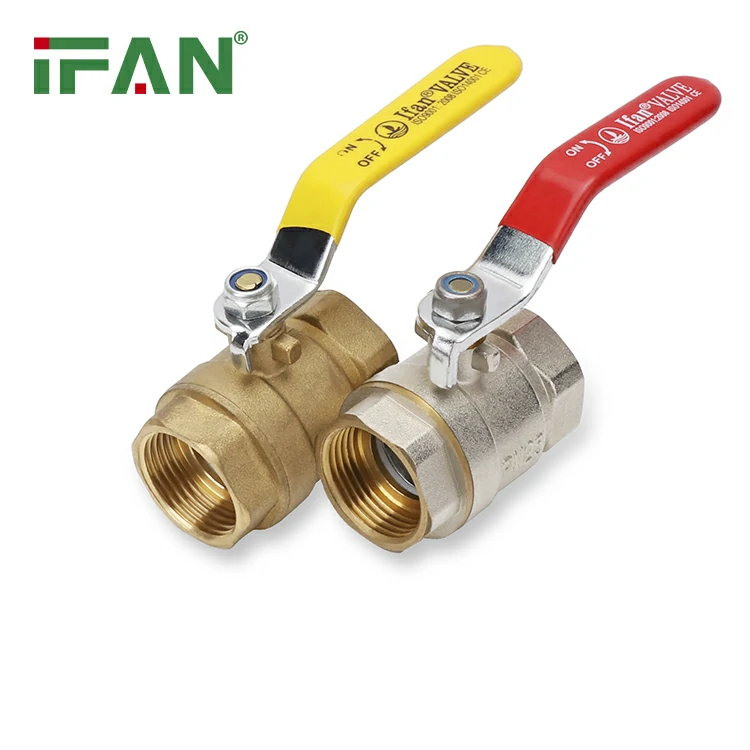
Brass Ball Valves: The Complete Professional Guide
Introduction to Brass Ball Valves
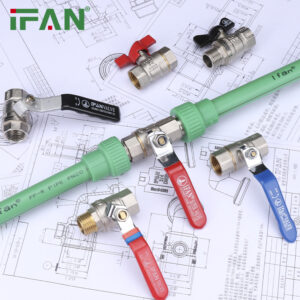
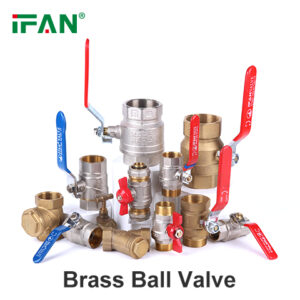
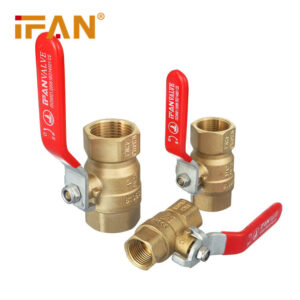
Brass ball valves serve as critical components in fluid control systems across multiple industries. These quarter-turn valves provide reliable shut-off capabilities for water, gas, oil, and chemical applications. Their durable brass construction and simple operation make them ideal for residential plumbing, commercial buildings, and industrial process control systems.
The global brass ball valve market is projected to reach $2.1 billion by 2027, growing at a 4.3% CAGR, reflecting their widespread adoption. Modern brass ball valves feature lead-free compositions meeting NSF/ANSI 61 standards, making them safe for potable water applications.
Key Features & Technical Advantages
Material Composition
Body: Dezincification-resistant (DZR) brass alloy (CW602N)
Ball: Chrome-plated brass for smooth rotation
Stem: 304 stainless steel for corrosion resistance
Seats: PTFE or RPTFE for leak-proof sealing
Performance Specifications
| Parameter | Standard Range | High-Performance Options |
|---|---|---|
| Size | 1/4″ to 4″ | Up to 6″ available |
| Pressure Rating | 150-600 PSI | 1000 PSI (special order) |
| Temperature | -20°F to 400°F | -40°F to 450°F |
| Cycle Life | 25,000 cycles | 50,000+ cycles |
| Standards | ASTM B16, ASME B1.20.1 | API 608, ISO 17292 |
Design Variants
Full-Port vs Standard-Port
Full-port offers unrestricted flow (same ID as pipe)
Standard-port has reduced flow capacity
Body Styles
Single-piece (economical)
Two-piece (serviceable)
Three-piece (fully repairable)
End Connections
Threaded (NPT, BSPP, BSPT)
Socket weld
Flanged
Union ends
Comprehensive Installation Guide
Pre-Installation Checklist
Verify valve specifications match system requirements
Check pressure/temperature ratings
Inspect for shipping damage
Confirm flow direction (arrow marking)
Prepare proper tools:
Pipe wrenches (2 for threaded)
Teflon tape or pipe dope
Tube cutter/deburring tool
Step-by-Step Installation
Threaded Connections:
Clean male threads thoroughly
Apply 3-4 wraps of Teflon tape clockwise
Hand-tighten valve completely
Use wrench on valve body (not handle) for final 1-1.5 turns
Soldered Connections:
Clean pipe ends with emery cloth
Apply flux to both surfaces
Heat joint evenly with torch
Apply solder until complete capillary action
Allow to cool naturally
Best Practices:
Support valves in vertical piping runs
Install unions for future maintenance
Leave clearance for handle operation
Pressure test before concealment
Maintenance & Troubleshooting
Preventative Maintenance Schedule
| Frequency | Task | Tools Needed |
|---|---|---|
| Monthly | Exercise valves | None |
| Quarterly | Lubricate stems | Food-grade lubricant |
| Annually | Pressure test | Gauge, pump |
| Biannually | Inspect seats | Mirror, light |
Common Issues & Solutions
External Leakage
Stem packing: Tighten gland nut 1/4 turn
Body joints: May require replacement
Internal Leakage
Debris: Flush system
Worn seats: Replace seals or entire valve
Operation Difficulties
Lubricate stem
Check for over-tightening
Replace if corrosion is severe
Industry Applications
Residential Plumbing
Main water shutoffs
Water heater isolation
Irrigation control
Fixture supply lines
Commercial Buildings
High-rise water distribution
Fire suppression systems
HVAC chilled water
Restaurant equipment
Industrial Processes
Chemical processing
Petroleum refining
Pharmaceutical manufacturing
Food and beverage production
Selection Criteria
Key Considerations
Fluid Characteristics
Water, oil, gas, chemicals
Temperature extremes
Abrasive particles
Performance Requirements
Flow rate needs
Pressure fluctuations
Cycling frequency
Regulatory Compliance
NSF/ANSI 61 for potable water
API standards for oil/gas
FDA requirements for food
Total Cost of Ownership
Initial purchase price
Installation costs
Maintenance requirements
Expected service life
Comparative Analysis
Brass vs Other Materials
| Material | Pros | Cons |
|---|---|---|
| Brass | Cost-effective, corrosion resistant | Limited temp/pressure |
| Bronze | Better corrosion resistance | Higher cost |
| Stainless | Wider temp/pressure range | More expensive |
| PVC | Lightweight, cheap | Limited durability |
Ball Valves vs Other Types
| Valve Type | Best For | Considerations |
|---|---|---|
| Ball | Quick shutoff | Higher torque |
| Gate | Straight flow | Slower operation |
| Globe | Precise control | Higher pressure drop |
| Butterfly | Large diameters | Limited pressure |
Conclusion & Recommendations
Brass ball valves remain the optimal choice for most general-purpose applications due to their:
✅ Excellent price-to-performance ratio
✅ Proven reliability across industries
✅ Easy installation and maintenance
✅ Broad compatibility with common fluids
Professional Recommendations:
For potable water systems, always specify lead-free brass (LF)
In high-cycle applications, choose three-piece designs
Consider full-port valves for pumping systems
Install unions for future serviceability
Maintain proper inventory of common sizes
IFAN factory started in 1993. And IFAN has workshop 120000 square meter with 610 staff. IFAN can design and produce all plumbing pipe and fitting include PPR,PVC,CPVC PPSU HDPE PEXA PEXB PERT pipe and fitting ,brass fitting, brass ball valve ,heating system , gas system , sanitary faucets and hose, In the past 30 Years, IFAN has never forgotten his mission-To protect health and safety. And IFAN factory use best materials to produce high quality pipe and fittings with automatic production line and high tech quality control machines. The most important,IFAN can guarantee that all pipes and fittings manufactured by IFAN are qualified. More information pls feel free contact us Whatsapp.
Related products
 Ball Valve
High Pressure Brass Ball Valve
- Ball Valve
IFAN Brass Ball Valve
- Ball Valve
IFAN Brass Ball Valve
- Brass Valve
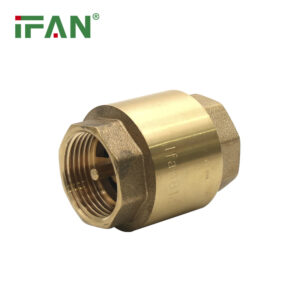
IFAN Non Return Valve