

Brass Water Valves: Essential Guide
1. What Are Brass Water Valves?
Brass water valves are flow-control devices made from durable brass alloys, specifically designed for potable and non-potable water systems. They regulate, direct, or shut off water flow in residential, commercial, and industrial applications. Brass is chosen for its excellent corrosion resistance, machinability, and reliability in wet environments.
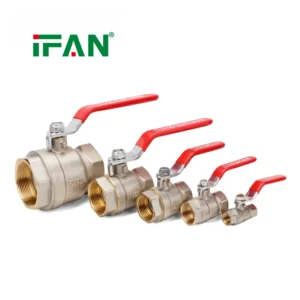
2. Key Advantages
Corrosion Resistance: Withstands water, minerals, and common treatment chemicals.
Durability: Long service life with minimal maintenance.
Lead-Free Options: Available in certified lead-free alloys for safe drinking water.
Versatility: Suitable for hot, cold, potable, and reclaimed water.
Reliable Sealing: Bubble-tight shutoff prevents leaks and water waste.
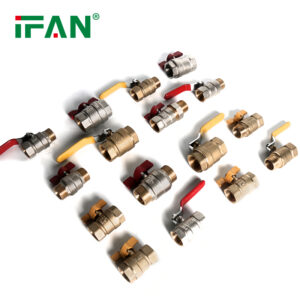
3. Common Types
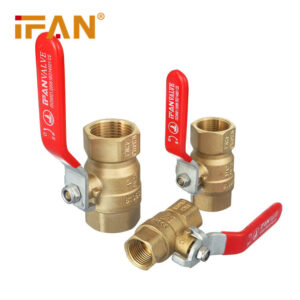
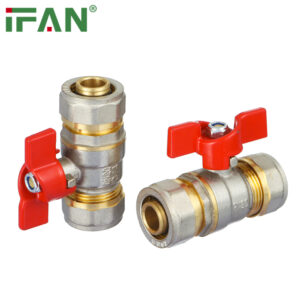
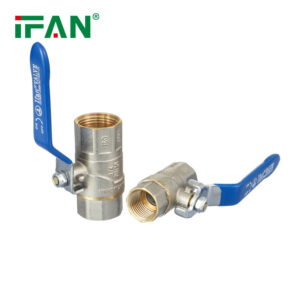
Ball Valves:
Quarter-turn operation
Full port or standard port
Used for main shutoffs and isolation
Gate Valves:
Multi-turn rising stem
Designed for on/off service, not flow regulation
Common in main supply lines
Globe Valves:
Precise flow regulation
Good for throttling applications
Higher pressure drop than ball valves
Check Valves:
Prevent backflow
Swing, lift, or spring-loaded designs
Essential for pump and boiler systems
Pressure Reducing Valves (PRVs):
Maintain constant downstream pressure
Protect fixtures and appliances
Required in many municipal supply systems
4. Technical Specifications
Materials: DZR brass (dezincification resistant), lead-free per NSF/ANSI 61/372
Pressure Ratings: 125 PSI to 600 PSI working pressure
Temperature Range: -20°F to 400°F (-29°C to 204°C)
End Connections: NPT threads, solder, compression, or union ends
Sizes: ⅛” to 4″ typically available
Standards: NSF/ANSI 61/372, ASME, AWWA, UPC
5. Selection Guide
5.1 Potable Water:
Must use NSF/ANSI 61/372 certified valves
Lead-free construction required
Choose full-port ball valves for minimal flow restriction
5.2 Hot Water Systems:
Select valves rated for high temperatures
Consider thermal expansion in system design
Choose appropriate seat materials (EPDM, Viton)
5.3 Main Supply Lines:
Gate valves for infrequent operation
Ball valves for frequent use
Include pressure reducing valves if needed
For Irrigation Systems:
Brass valves resist soil corrosion
Choose appropriate flow characteristics
Consider anti-siphon features
6. Installation Best Practices
Preparation:
Shut off water supply completely
Clean pipe ends and threads thoroughly
Use appropriate thread sealant (PTFE tape or compound)
Support piping near valve connections
Installation Steps:
Apply sealant to male threads only
Hand-tighten initially to ensure proper alignment
Use two wrenches to avoid stressing valve body
Position for easy access and operation
Test for leaks before putting into service
Special Considerations:
Install valves with flow direction arrows correctly oriented
Allow space for handle operation and future maintenance
Use unions for easier future service
Follow local plumbing code requirements
7. Applications
Residential:
Main water shutoff
Water heater isolation
Fixture supply valves
Outdoor faucet controls
Irrigation system valves
Commercial:
Building supply control
Zone isolation valves
Equipment service valves
Boiler and chiller connections
Fire sprinkler test connections
Industrial:
Process water control
Cooling water systems
Water treatment plants
Pump station controls
Industrial wash systems
8. Maintenance
Regular Inspection:
Check for external corrosion quarterly
Operate valves periodically to prevent seizing
Listen for unusual noises during operation
Monitor for pressure changes
Preventive Maintenance:
Flush system to remove sediment buildup
Clean valve exteriors to prevent corrosion
Lubricate stems only with water-safe lubricants
Replace washers and seats as needed
Troubleshooting:
Leaking Stem: Tighten packing nut slightly
Difficulty Operating: May need cleaning or lubrication
Reduced Flow: Check for obstructions or scale buildup
Constant Dripping: May require seat replacement
9. Water Quality Considerations
Material Safety:
Always use lead-free valves for drinking water
Ensure all wetted materials are NSF certified
Consider water chemistry when selecting materials
Regular water testing recommended
System Protection:
Install filters to protect valves from debris
Use water softeners if hard water is present
Consider pH balancing for corrosive water
Install pressure regulators to prevent water hammer
10. Cost Considerations
Initial Costs:
Quality brass valves cost more than plastic alternatives
Professional installation recommended for critical applications
Consider total system cost including accessories
Long-Term Value:
Lower maintenance costs than cheaper alternatives
Reduced risk of water damage from valve failure
Energy savings from properly functioning systems
Compliance with building codes and regulations
Warranty and Support:
Quality valves typically carry 5-10 year warranties
Manufacturer support for technical questions
Availability of replacement parts
Professional installation often required for warranty
Summary: Brass water valves provide reliable, durable control for water systems of all types. Their corrosion resistance and availability in lead-free configurations make them suitable for potable water applications. Proper selection based on application, pressure, temperature, and certification requirements ensures optimal performance. With correct installation and regular maintenance, brass water valves offer years of trouble-free service, protecting both water quality and property from water damage. Always choose certified products and follow manufacturer recommendations for best results.
IFAN factory started in 1993. And IFAN has workshop 120000 square meter with 610 staff. IFAN can design and produce all plumbing pipe and fitting include PPR,PVC,CPVC PPSU HDPE PEXA PEXB PERT pipe and fitting ,brass fitting, brass ball valve ,heating system , gas system , sanitary faucets and hose, In the past 30 Years, IFAN has never forgotten his mission-To protect health and safety. And IFAN factory use best materials to produce high quality pipe and fittings with automatic production line and high tech quality control machines. The most important,IFAN can guarantee that all pipes and fittings manufactured byIFAN are qualified. More information pls feel free contact us Whatsapp.
Related products
 Ball Valve
IFAN Brass Ball Valve
- Ball Valve
IFAN Brass Ball Valve
- Ball Valve
IFAN Butterfly Valve
- Ball Valve
IFAN Brass Ball Valve